

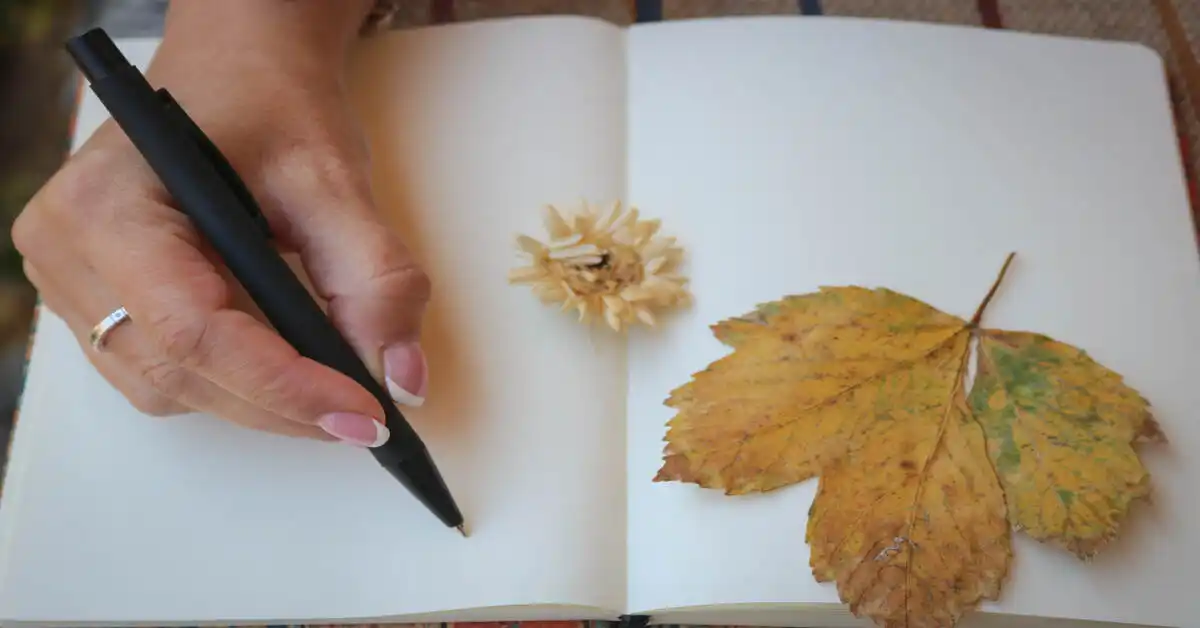
Visual poetry is a new form of art which is an integration of written word and visual means to produce a special experience to the readers. The combination of text, images and sound has made artists able to create emotions and some deeper values which are not limited by conventional poetry. The use of soundscapes (auditory elements, complementing the visual elements) is one of the most striking qualities of visual poetry: the components serve to reinforce the rest of the work and supplement the overall effect of the work. This blog discusses the relationship between soundscapes and visual poetry and how such a combination of the two forms of art enhances the experience of the viewer and makes the art richer in significance.
An Introduction to Visual Poetry
Visual poetry implies the application of the space and typeface as well as graphics as a means of meaning. Visual poetry is an alternative to traditional poetry in terms of style because, unlike traditional poetry, the visual or design is incorporated into the poem to produce a multisensory effect with the involvement of image and image. Such art work makes the audience get involved in the art piece on various planes, thus making them think not only about the textual content but also about the visual and aural elements.
The Role of Soundscapes
Soundscapes can be defined as the sound environment produced by a mix of sounds, such as music, spoken word, ambient noise, and other sound components. Soundscapes can play a number of roles in visual poetry, and they can add more emotional tone and meaning to the work. Soundscapes related to visual poetry can be used in the following ways:
1. Creating Atmosphere
As visual elements have the ability to set a mood, soundscapes are significant in setting a mood to an audience. As an illustration, a quiet and peaceful visual poem can be complemented by the gentle nature music, like birds chirping or water running. On the contrary, a more dramatic composition can have dissonant sounds or accelerating rhythm in order to create a sense of urgency or tension. Through the auditory components and the visual components, artists are able to give their audience a sensory experience that is whole.
2. Enhancing Emotional Impact
Soundscapes have the ability to enhance the emotional awareness of visual poetry. This visual imagery and sound would help create a strong emotion in the audience and enable them to feel more attached to the piece. E.g., melancholic music and gloomy visuals may increase sadness or nostalgia. Conversely, a poem, which is not set to a melody, can be changed into a song of happiness and blood life. This depth of emotion adds complexity to the meaning and experience of the viewer.
3. Layering Meaning
The play of sound and visual can bring a stratification of meaning to a visual poem. As an example, a poem devoted to the theme of loss can also include the pictures of the fallen leaves and the sound of the wind in the trees. The visuals and sound combination call upon the audience to think about the interweaving nature, life, and loss. Through the union of various means of expression, artists will manage to develop a deeper perception of their themes and messages.
The Innovative Process: The combination of Sound and Image
A visual poem that successfully uses soundscapes is a deliberate and deliberate undertaking. Following are some of the ways through which artists can combine art and audio to achieve a more profound meaning:
1. Concept Development
Artists are to have a clear idea about their visual poem before getting down to the creative process. This involves creating themes and feelings that they want to communicate, and how the sound can complement these things. Listing ideas and drawing sketches of what the visual layout might look like can be used to visualize the artist’s visions.
2. Selecting Visual Elements
After the idea has been in place, artists are able to start choosing visual elements that match their themes. This can be through original artwork, utilizing photographs or through creative use of typography. The elements used in the visual setting must be compatible with the soundscapes the artist intends to develop to come up with a unified work.
3. Incorporating Soundscapes
The second thing is to select or design soundscapes that can support the visual elements. Musicians are given the option of choosing existing audio clips, composing new music or recording their own noise. There is a need to think of the interaction of the rhythm, the tone and the volume of the sound with the visuals, such that they complement and do not diminish the overall experience.
4. Testing and Refinement
Once the visual and the auditory elements have been combined, the artists are expected to test the piece so as to observe its functionality. It can include changing the time when the sound is delivered, changing visual designs, or the quality of audio. Peer or audience feedback can be a good source of insight in this refinement.
Visual Poetry: The Effect of Soundscapes
Soundscapes can be incorporated in visual poetry, and it can change the way people listen to and receive art. This combination of sound and visual effects produces a multisensory experience that will appeal to the audiences at a more emotional and intellectual level. Making audiences engage with the work in different ways, soundscapes increase the poetic possibilities and provoke the investigation of the complicated themes.
1. Engaging Diverse Audiences
Soundscape visual poetry has the potential to appeal to a wider audience, including individuals who are not necessarily interested in poetry. Multisensory experience is also suitable to multiple learning styles and preferences, and thus more people will be able to access poetry. Such inclusivity will help to appreciate the art form more and offer different interpretations.
2. Encouraging Collaboration
The combination of sound and visuals usually promotes the cooperation of artists of other fields. Visual artists, sound designers, poets and musicians can collaborate to produce something that represents their unique talents and also enhance a common image. This cooperation enriches the world of art and leads to innovation in poetry and art.
3. Bringing Artistic Limits to the edge
The use of soundscapes in visual poetry expands the limits of the poem. It questions the conventional concept of poetry and paves the way to experimentation by artists with the novel forms of expression. This discovery can give rise to the creation of new thrilling styles and movements in the world of art.
Conclusion
Visual poetry soundscapes are an impressive combination of poetry and sound that add more depth to the poem and enrich the experience of the listener. Artists are able to make poetry a multidimensional art form by developing immersive spaces that provoke feelings and perceptions. With the further development of visual poetry, sound integration will still be an essential part of it, and new expressions will be welcome to appeal to a variety of viewers and expand the creative horizons.
FAQs
1. What is visual poetry?
Visual poetry is an art which integrates text, images and in most cases sound as a way of producing a special experience to the viewer and this is where poetry is especially visual and auditory.
2. What are the benefits of soundscapes in visual poetry?
Soundscapes add visual poetry to create atmosphere, amplify emotional appeal, and add meaning, which enables a more profound association of the viewer with the work of visual art.
3. What are a few methods of visual poetry making using sound?
Sound visual poetry techniques involve creation concept development, visual material choice, complementary soundscape choice and testing and feedback.
4. Why do we need to cooperate in visual poetry?
The issue of collaboration in visual poetry is significant since it helps to connect artists of different fields and stimulate the adherence to the novelty and make it possible to create the unique works and demonstrate the combination of talents and viewpoints.