Poetry is in essence an art form but it is not just a game of words; it embodies a symphony of sounds, rhythms, and textures that trigger emotions and leave strong imagery. A unique feature of poetry is that it combines sound and meaning and creates a rich canvas that will have an impact on readers. In this sound texture exploration, we shall explore the aspect of good poetic storytelling, how sound devices can add to the general feel and emotional appeal of poetry.
Plainness of Sound in Poetry
Sound consists of basic components of poetry as it makes the written text sound orally. Sound texture in poetry is a range of auditory devices, which poets use to make sound rhythmic, moody, and meaningful. This approach aligns closely with broader discussions on poetry and sound, where auditory choices shape emotional depth and reader perception.This texture may be compared with the brushwork of a painting when every part of the artwork is significant to the whole picture. The effect of the sounds, rhymed, alliterated, or assonant, gives a musical sound that helps to lure the readers into the world of the poem.
Key Sound Devices in Poetry
Alliteration: This is a technique that consists of repeating consonant sounds in the initial positions in the words. It will be able to generate a rhythmic effect which makes the poem better flowing and focusing on specific phrases. Indicatively, the sound /w/ in the line the whispering winds is repeated, and as the word is repeated, it offers a gentle and smooth sound, prompting the reader to think of a peaceful scenery.
Assonance: Repetition of the vowels in words may contribute to the lyrical nature of poetry. Assonance usually brings internal rhymes which makes the poem sound more musical. Take the example of the phrase the tide rises, in which the sound [i] (long) is repeated which gives us an impression of a flowing motion.
Consonance: This is also like alliteration except the fact it may take place anywhere in the word. This can be a rather subtle texture and can potentially produce a feeling of either harmony or tension, depending on how it is used. One such sentence is the use of the term pitter-patter, something that sounds like rain, and which puts the reader into the action.
Onomatopoeia: It is a device that involves a word that replicates a natural sound creating a direct aural linkage between words and meaning. Such words as buzz, clang, whisper create certain sounds that add to the imagery of the poem.
Rhyme and Rhythm: The end of line repetition of sounds (rhyme) and also the repeated use of stressed and unstressed syllables (rhythm) adds to the texture of a poem. A rhyme scheme that is effectively developed may form a feeling of closure or continuity whereas rhythmic variability may produce other emotions and rhythm.
The use of Texture in Telling a Story
Sound texture is not just something decorative; it is important in narration in poetry. The sound of a poem may be emotional, establish the mood, and improve the storyline. An example is that a poem that has a quick beat and hard consonants can make one feel like there is a rush or like everything is in confusion whereas slower rhythms and softer tones could help a person feel relaxed or introspective.
Engaging the Reader’s Senses
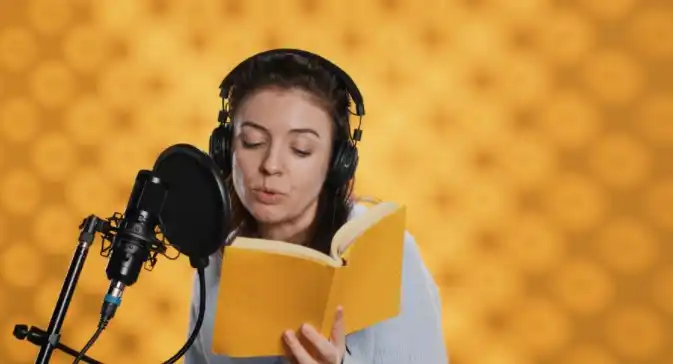
A good poetic storytelling involves using the senses of the reader to enable him to explore the poem at various levels. The sound texture also encourages the audience to listen to the piece, which will make the words more personal to them. This sensual interaction may be especially strong in expressing multifaceted feelings or themes. When a poet manages to incorporate sound devices in their work, the latter creates a multi-layered experience that will be felt even after the poem has been read.
Psychological Effect of Sound
Psychological studies have indicated that sound may have a great influence on emotions and cognition. Such a psychological phenomenon is exploited by the use of sound devices in poetry, which adds an emotional tone to the story. As an example, a poem with harsh and dissonant sounds can be associated with feelings of displeasure or stress, whereas harmonious sounds can be connected with the feelings of serenity and happiness. Having knowledge of the psychological effects of sound, poets are able to make more powerful and touching narratives.
Creating a Texture in Your Poetry
To aspiring poets, it is important to master the use of sound devices so as to come up with textured and stimulating poetry. The following are just a few of the suggestions on how to bring texture in sound to your writing:
- Read Aloud: Poetry is to be listened to. Reading your work aloud may help you to recognize the rhythms and sounds that appear most appropriate, so that you can tune your sound devices.
- Play with Sound: Do not be afraid to experiment with other sound patterns. Write a series of drafts and work on changing the alliteration, assonance and additional sound tools usage to observe their influence on the overall tone and the effect as well.
- Think about Theme: Match the sound you use with the theme of your poetry. When your poem is a matter of conflict, you can use more disagreeable sounds. When dealing with the themes of peace, lean towards the softer and flowing sounds.
- Get Feedback: Exchange your work with other people or participate in a poetry group. Feedback may help give useful information on how well your sound decisions contribute to the tone and content of your poetry.
Conclusion
The study of texture in music is crucial to a person who wants to master the art of telling stories through poetry. Through the use of sound devices, poets are able to make an orchestral noise, which adds more emotional engagement to their poetry. The combination of the sound and the meaning does not only attract the readers but also calls the readers to look at the poem further. When you read a poem, you will always keep in mind that any sound can bring a feeling, a story, and a memorable effect. Take the feel of sound and see your poems coming out as a song that will remain in the mind and hearts of your audience.