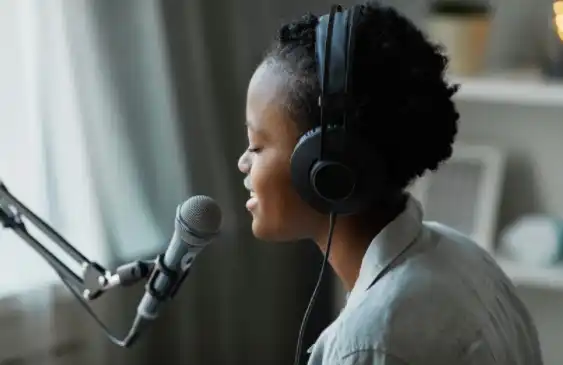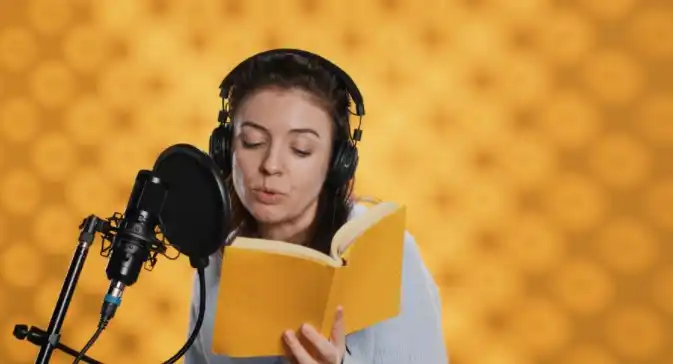
Sound poetry is a particular and active form of art that does not follow the old principles of the written word. Sound poetry exploits the strength of sound, rhythm and voice as it emphasizes the sound component of language, thereby producing a multisensory experience not only to the poet but also to the audience. The article will explore the strength of sound poetry, how the voice is used to create art and how it influences the audience.
Understanding Sound Poetry
Sound poetry is a genre that focuses on the phonological aspects of words and not on the semantic essence of words. It may consist of many different things like:
- Phonetics: The analysis of sound and sound production, which is the main thing in sound poetry.
- Rhythm: This is the organized movement of sounds and tones that forms a musical quality.
- Tone and Timbre: The special features of voice containing emotions and feelings.
- Silence and Pauses: The power of silence as an effective emphasis and reflections tool.
Historical Context
Sound poetry can be dated back to the early 20 th century when such movements as Futurism and Dadaism were formed and artists attempted to escape the conventional ways of expression. Early artists like Hugo Ball and Kurt Schwitters were experimenting with nonsense syllables and vocal sounds, and their performances violated the traditional forms of poetry and art. Contemporary sound poetry took its foundation in this experimentation.
The Power of Voice in Sound Poetry
1. Emotional Expression
The voice of a human is a massive tool of expressing feelings. The expression of voice in sound poetry can create a broad spectrum of emotions in the poet, through intonation, pitch and volume. To illustrate, a gentle whispering voice may bring comfort and a feeling of weakness, whereas a firm and demanding voice may produce a feeling of power and aggression. This emotional appeal increases closeness of the audience to the work.
2. Creating Atmosphere
Sound poetry has the ability to take the audience to other settings or emotional spaces. Poets can use vocal techniques and sound effects to come up with immersive experiences. As an example, the application of echo, distortion or layering voices may induce a sense of isolation or disorder. This is the quality of the atmosphere that makes the audience indulge the poem on the sensory level.
3. Challenging Language Norms
Sound poetry usually defies the traditional purpose of language in that the audience is used to paying attention to sounds and not to sense. This method has the ability to destabilize the known configurations of the communication, and this will encourage audiences to re-evaluate their connection to language. Through their adoption of the abstract nature of sound, poets are able to deal with themes of identity, existence and human experience in creative ways.
4. Encouraging Participation
Sound poetry is performative, which involves the audience engaging. The listeners can be inspired to reply, imitate or even come up with their own sounds in response to the work of the poet. This connection helps to create a feeling of community and experience, and deconstructs the communication between the poet and his audience.
Effects of Sound Poetry in Expressing Creativity
1. Interdisciplinary Connections
Sound poetry tends to overlap with other art forms, including music, visual art and theater. Sound poets may work with musicians or include visual images to develop multidisciplinary work in order to extend the limits of conventional poetry. This fusion promotes a more inclusive approach to artistic expression as well as provoking the definition of what poetry is.
2. Innovative Techniques
The sound poetry experimentation prompts the poet to experiment with techniques and technologies. Since the manipulation of digital sound, the use of recording devices enable poets to experiment with different mediums and make their work better. This innovation adds value to the practice of the particular poet as well as the development of poetry as a literary art.
3. Linguistic and Cultural Diversity
Sound poetry allows the voices and languages to be heard. Sound can be used to express the identities and experiences of poets who belong to different cultural backgrounds and do not have language barriers. This diversity creates a more diversified discussion in the world of poetry and promotes the use of a variety of sounds and rhythms that are specific to various cultures.
4. Educating about Social Problems
A great number of sound poets refer to social and political problems in their artwork. With a strong voice over with a strong evocation of sounds, they are able to convey their messages effectively to people on issues of injustice, inequality and human rights. Their performance may be very emotional, and this emotion can stimulate a reaction and raise the need to think, and this is why sound poetry is a powerful weapon of social change.
Conclusion
Sound poetry is effective as it taps the senses and evokes the emotions using voice and sound. Upon defying the conventional concepts of language and articulation, sound poetry presents a different interpretative view of the human experience. The genre will certainly develop in the future, as poets keep experimenting with sound and creativity, making the world of the poem richer and inspiring the artistic generations to come. The interaction between voice and sound does not only form the personal expression but it also creates the deeper relationship between the poet and his/her audience, and thus, sound poetry is a crucial and living art.