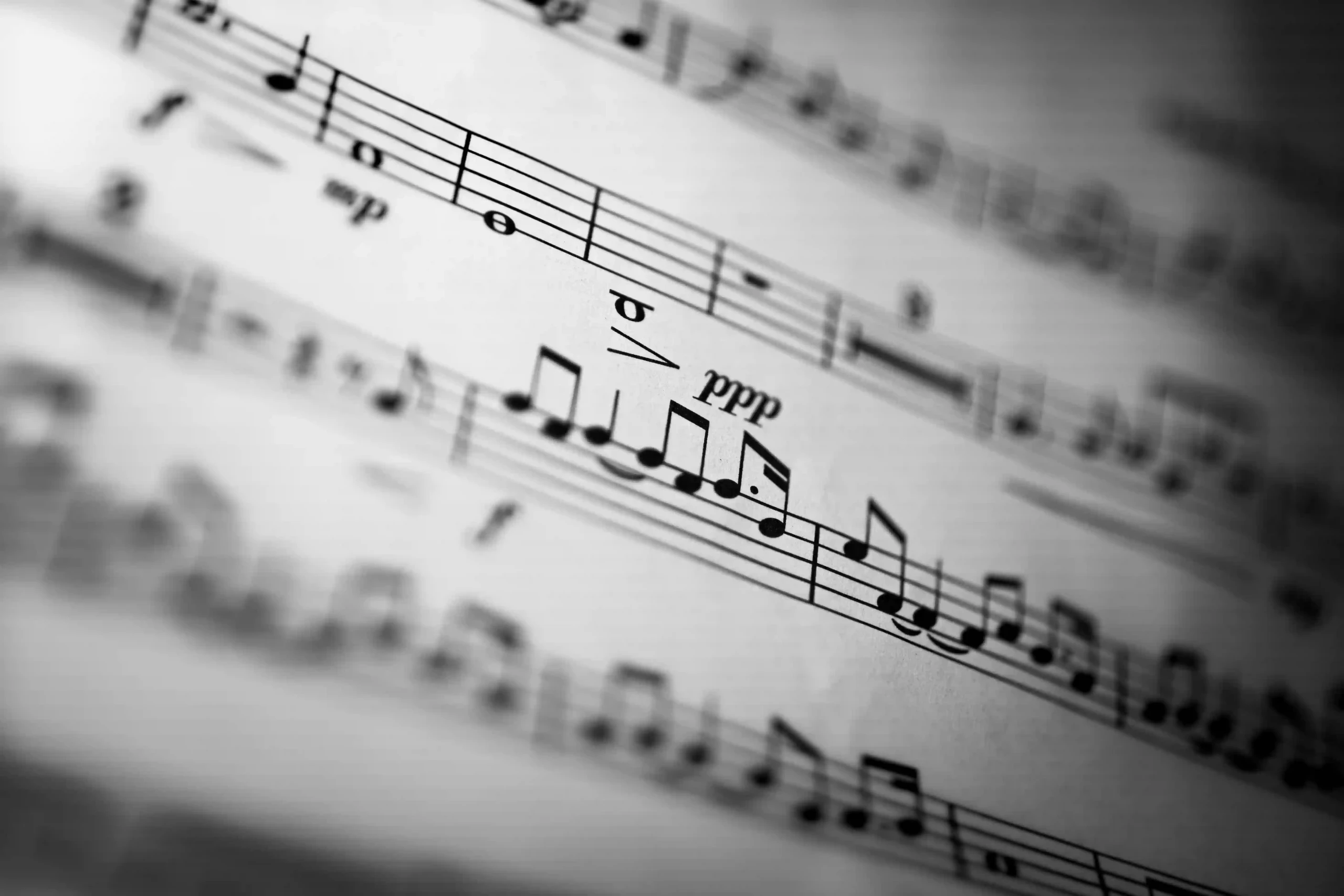
Rhythm is an important part of poetry, it is the beat upon which the words on the page breathe life. It contains the rhythm of sounds, movement of lines and rhythm of verses all of which make an overall effect of a poem. The paper will discuss the use of rhythm in poetry, the way rhythm creates soundscapes, and why soundscapes are important in meaning and emotional appeal.
The Rhythm in Poetry
1. Definition of Rhythm
Rhythm in poetry is a way of organization of sounds and syllables of words into a specific pattern. It may be ordinary or chaotic, depending on such aspects as meter, the length of the line, and naturally, the natural flow of words. Rhythm is achieved by use of stressed and unstressed syllables which give a musical value that improves the reading process.
2. Meter vs. Free Verse
Meter: Meter is a regular type of rhythm which is arranged in certain patterns, iambic pentameter or trochaic tetrameter. There is a specific rhythm of each kind of meter that may cause this or that feeling or mood. Iambic pentameter in Shakespeare, as an example, is natural and it resembles the rhythm of talking English.
Free Verse: Free verse poetry, on the contrary, does not have a fixed meter or rhyme pattern. Free verse poets tend to concentrate on the natural motions of speech and they are more flexible and creative in their expression. This strategy can create distinctive soundscapes which can express the content and the feelings of the poem.
The Power of the Rhythm in Soundscape
1. Establishing Atmosphere
Rhythm is a very important element in creating the mood of a poem. The rhyme and the rhythm of a poem can arouse certain feelings and lead to a sense of space. This effect becomes clearer when analyzing soundscapes poetry, where rhythmic variation shapes emotional tone and auditory depth. Examples are that a fast-beat rhythm may produce excitement or urgency, whereas a slow and slow rhythm may produce calmness or introspection.
2. Enhancing Imagery
The visual representation in any poem can be supported by the rhythm of a poem to create a sense of imagery through sound. An illustration of the use of rhythm in poetry is a poem about a storm where the heavy, thunderous rhythm could be used to portray the strength of nature whereas a light, lilting rhythm could be employed to describe a peaceful scenery. Such a combination of imagery and sound enhances the involvement of the reader of the poem.
3. Creating Musicality
Poetry has been termed as a musical form and rhythm is one of the components that adds musicalness. These sounds, alliteration, assonance and rhyme, act together with rhythm to generate a pleasant sounding effect. The rhythmic patterns also may cause the impression of harmony or discord, the way the poem is felt and perceived.
4. Leading the Reader through the Experience
Rhythm directs the reader through an experience as it affects the rate of reading a poem. Rhythm can be used to make pauses, changes, and emphases that can be sought by the reader to think about particular lines or concepts. This deliberate delay can build-up tension, bring about suspense or give some relief to the poem which can add to the effect of the poem on the whole.
Rhythm and Meaning
1. Interpretation and Symbolism
Symbolic meaning in a rhythm of a poem might create a difference in the interpretation of the themes and message. To illustrate this point, a poem that has a steady and regular rhythm may be viewed as a representation of order and stability, whereas a poem whose rhythm changes suddenly may be used to depict a disorder or a conflict. The rhythm and meaning relations lead the reader to explore more of the text and reveal the significance in a multidimensional way.
2. Emotional Resonance
Rhythm is inseparable to the pathos of a poem. The mood that a poet invokes with rhythm can be either one of joy, sorrow, anger or nostalgia. A dramatic turn of the poem can be highlighted by a sudden change of rhythm, which is the emphasis on the emotional essence of the composition. This bonding of rhythm and emotion enables poets to achieve strong emotions among their audience.
3. Cultural and Historical Background
Poetry has rhythmic traditions different in different cultures and different periods in history. These contexts can make the reading process more rich, because the rhythm can be representative of social values, beliefs and artistic styles. As an example the folk poetry tends to use archaic forms which are indicative of community and the contemporary free verse can be indicative of individuality and experimentation.
Conclusion
Rhythm in poetry plays a significant role, creating a soundscape, adding more depth to the meaning, and causing emotional reactions. With the wise play of tones and vowels, poets generate a sound-image which appeals to readers at several levels at once. Rhythm is an essential means of expression, be it in a measured meter or the free flow of the verse, as rhythm enables poets to discover the nuances in the language, the innermost secrets of human existence. Readers, when we recognize rhythm, we are enhanced to enjoy poetry in the form of beauty and complexity of the ancient art.