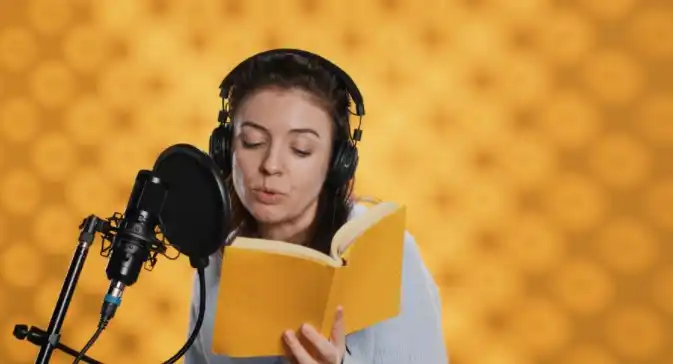
Sound poetry is a new and dynamic form of art that is experimental with the language, taking the words and turning them into music. This form is an overcoming genre, whereby poets and audiences alike stand to travel in a sensorial adventure of voice, rhythm and meaning. Here we are going to explore the basis of sound poetry, discovering the ways how these elements can be combined to produce some strong and suggestive works that appeal to the listeners.
Understanding Sound Poetry
Sound poetry is a broad cultural field of practice in which emphasis is placed on the sound of the spoken word as extensively as on the meaning of the word. This genre rebels against the traditional perception of poetry as a written text focusing on the sound experience and the tangible quality of sound. These characteristics are explored in depth through sound poetry insights, where experimental language reshapes how poetry is perceived and performed. Sound poetry enables the poet and the audience to have a special relationship, through the intonations of the voice to the rhythms that are beating through the poem.
The Role of Voice
Voice is a primary tool in sound poetry, providing emotion, subtlety and texture that is not possible with printed text. The manner in which a poet speaks, his tone, pitch, and volume have some meaning to add to the listening experience.
Expressiveness: The strong voice could be used to bring out various emotions such as joy or sorrow, and the poet could express emotions that are felt by the audience. Vocal techniques, including whispering, shouting, or changing the rhythm of delivery can radically change the effect of the poem.
Personal Football: Every time a poet reads his work, he calls the listeners to his world. Personal qualities of voice create intimacy, and this offers a common experience that may enhance the involvement of the audience in the poem.
The Importance of Rhythm
Sound poetry is rhythmic in nature and it controls the flow and speed of the work. As in music, poetry rhythm can create certain emotions and bring out the feeling of motion or stasis.
- Patterns and Structures: Poets tend to experiment with various rhythms, and some of the techniques available include repetition, variation, and syncopation to create a memorable listening experience. The content of the poem can be reflected in the rhythmic structure it has, which adds to the themes and emotional undertones.
- Physical Response: Rhythm may also have a physical response among the audience making them tap their feet, sway or even dance. It is this sound-poetry personification that makes the process of listening more of an interactive experience, and creates a closer bond between the speaker and the audience.
The Art of Weaving with Sound
Although sound poetry focuses on sound, the element of meaning is also an important part. The voice and rhythm interact to form a complex web of meaning which may be explicit and implicit.
Sound Symbolism: There are sounds that can provoke a certain meaning or an association. As an example, one can take sharp consonants as a sign of tension or conflict, whereas soft sounds can be interpreted as peace or tranquility. These contacts can be exploited by poets to improve their message.
Euphon and Sensuality: The sound and the sense give the poets the opportunity to develop a vivid image and to produce profound emotions. A sound poem should also be well-developed, and it can take the audience to other locations, moments and even states, which makes the sound poem feel immersive.
Methods of Composing Sound Poetry
There are some tricks that can be used to improve the work of poets who want to find out the magic of sound:
- Voice experiment: Have fun with your voice. Experiment with tone, volume and rhythm in order to discover the most expressive method of performing your poem. Recorded to study the effect of various vocal decisions on the overall impression.
- Emphasise Rhythm: Forget about Rhythm in your poem. Create a dynamic flow with the help of line breaks, repetition, and different numbers of syllables. Watch what the rhythm does to the meaning of your words.
- Use Sound Devices: You can use sound devices like alliteration, assonance and onomatopoeia to improve the sound quality of your piece. These features may form musicality that attracts the listeners and strengthens the themes of the poem.
- Inspirational: When doing sound poetry, think about the way to involve your audience. Make contact, use movements, make a connection with eye contact, and body gesture to increase the overall experience.
- Record and Edit: You can think about recording your performances and listening to them. This habit can make you see the areas that you need to improve on and align your presentation on the subsequent readings.
Conclusion
The exploration of sound poetry as a genre presents a world of creative potential, and poets are welcome to focus on the complexity of the interaction between voice, rhythm, and meaning. With the help of the transformative approach to sound, poets are able to create a piece of work that will resonate with the people they are able to make it more immersive beyond the written word. When you are beginning your own voyage into sound poetry, you should keep the idea of experimenting, playing, and reaching your listeners with the many woven options of sound in mind.
Frequently Asked Questions (FAQs)
1. What is sound poetry?
Sound poetry is a genre of poetry that puts more emphasis on the sound of language, the sounds of words, sounds of rhythms and vocal performance to engage the listener in a vivid experience. It frequently defies the conventional forms of poetry through giving more emphasis to sound than to meaning.
2. What should I begin by doing with sound poetry?
First, on how to write a post poem, you need to play around with speech and rhythm. Compose brief poems based on sound devices, and read them aloud, using various vocal effects, to see the possibilities of improving the oral experience.
3. What are the known examples of sound poetry?
These are the names of some of the most well known sound poets Hugo ball who most famously did Dada performances and more modern poets including Amiri Baraka and Jaap Blonk. Their art tends to push the limits of words and the sounds, developing new listening experiences.