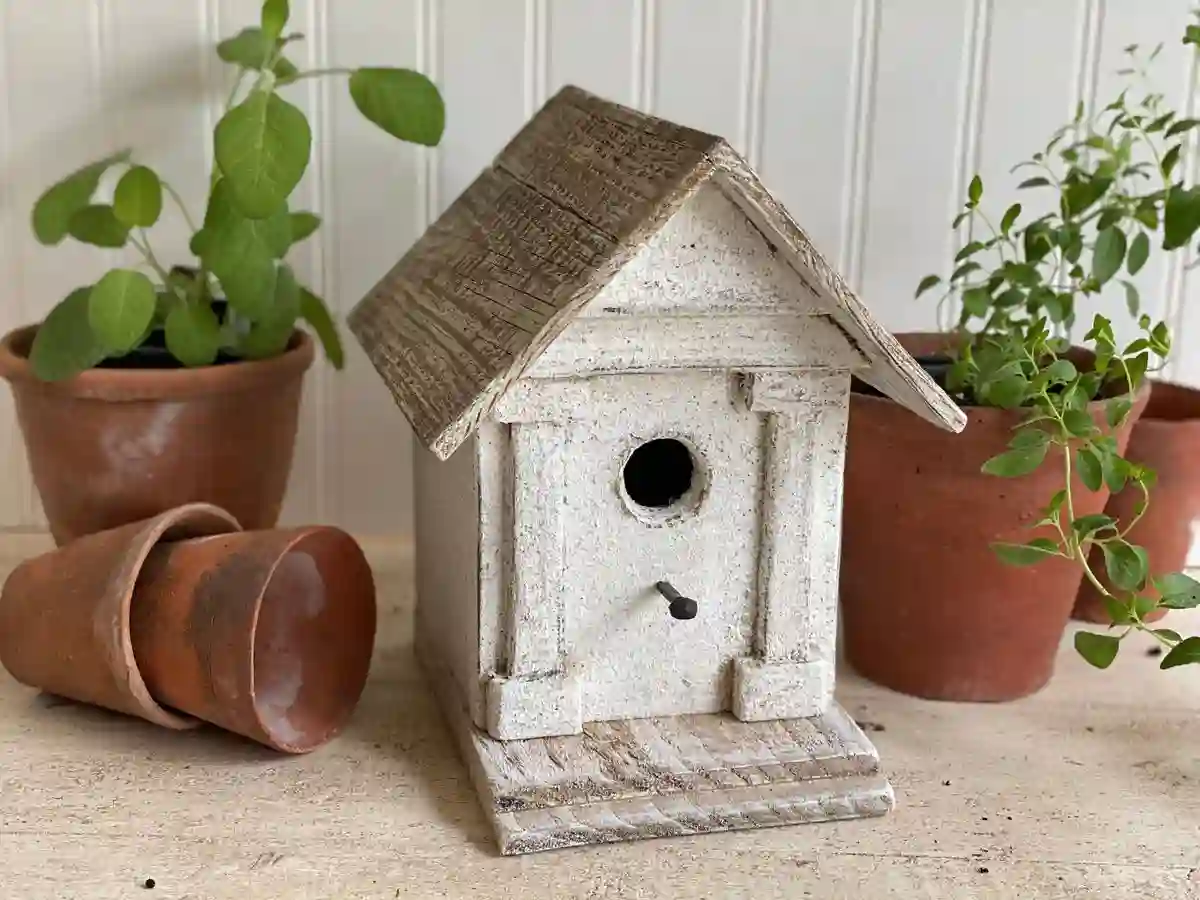
A well-placed birdhouse can transform a simple yard into a lively haven for feathered friends. Handcrafted birdhouses are more than decorative pieces—they provide shelter, nesting spots, and safety for birds. The right location is crucial for attracting the right species and keeping them safe from predators. Careful planning ensures that your yard becomes a welcoming sanctuary.
Understanding Bird Habits Before Placing Handcrafted Birdhouses
Birds have unique habits that influence where they choose to nest. Some prefer shaded areas, while others favor open spaces with good visibility. Observing your yard can help determine where birds naturally gather. Placing handcrafted birdhouses in areas where birds feel secure increases the chances of them taking up residence. By considering these habits, you can make your birdhouses more effective and appreciated by the local wildlife.
Sunlight and Temperature Considerations for Handcrafted Birdhouses
The amount of sunlight a spot receives can greatly impact birds’ comfort. Too much direct sun may overheat a birdhouse, while too little sunlight can make it damp and cold. Morning sun with afternoon shade often works best. Handcrafted birdhouses thrive when placed in balanced light conditions. Proper sunlight ensures the nest stays dry and warm, which is essential for bird safety and health.
Safety From Predators in Your Yard
Predators such as cats, raccoons, and snakes can threaten nesting birds. Choosing a location away from easy access points helps protect the inhabitants. Elevated spots or tree branches can deter ground predators. Handcrafted birdhouses benefit from thoughtful placement that prioritizes safety. Birds are more likely to stay and raise their young in secure locations, making predator-proof placement crucial.
Accessibility for Birdwatching and Maintenance
While birds need safety, homeowners also enjoy observing them. Placing handcrafted birdhouses where they are visible but not intrusive balances these needs. Easy access allows you to clean and maintain the birdhouse without disturbing the nest. Accessibility enhances your enjoyment while ensuring the birdhouses remain safe and inviting. Proper positioning makes interaction simple yet non-disruptive.
Landscape Integration and Aesthetic Appeal
Integrating birdhouses into your existing landscape enhances the overall visual appeal of your yard. Consider natural camouflage with trees, shrubs, or decorative garden features. Handcrafted birdhouses can blend seamlessly while still serving their functional purpose. Thoughtful placement improves both the beauty of your yard and the experience for visiting birds. It creates harmony between human design and natural habitat.
Seasonal Placement Adjustments
Different seasons may affect which locations are ideal for birdhouses. In summer, shade may be more important, while winter may call for sheltered positions against wind. Observing seasonal changes ensures that handcrafted birdhouses remain comfortable year-round. Adjusting placement when needed supports birds through varying weather conditions, keeping them safe and active in your yard.
Conclusion
Choosing the right location for handcrafted birdhouses involves understanding bird behavior, sunlight, safety, accessibility, and aesthetics. Thoughtful placement makes your yard a thriving habitat while enhancing its beauty. By considering these factors, you create an inviting space that supports wildlife and brings joy to your outdoor environment. Each well-placed birdhouse becomes a small sanctuary, turning your yard into a lively and welcoming home for local birds.